Detailed · Deep study
1Infrared radiation
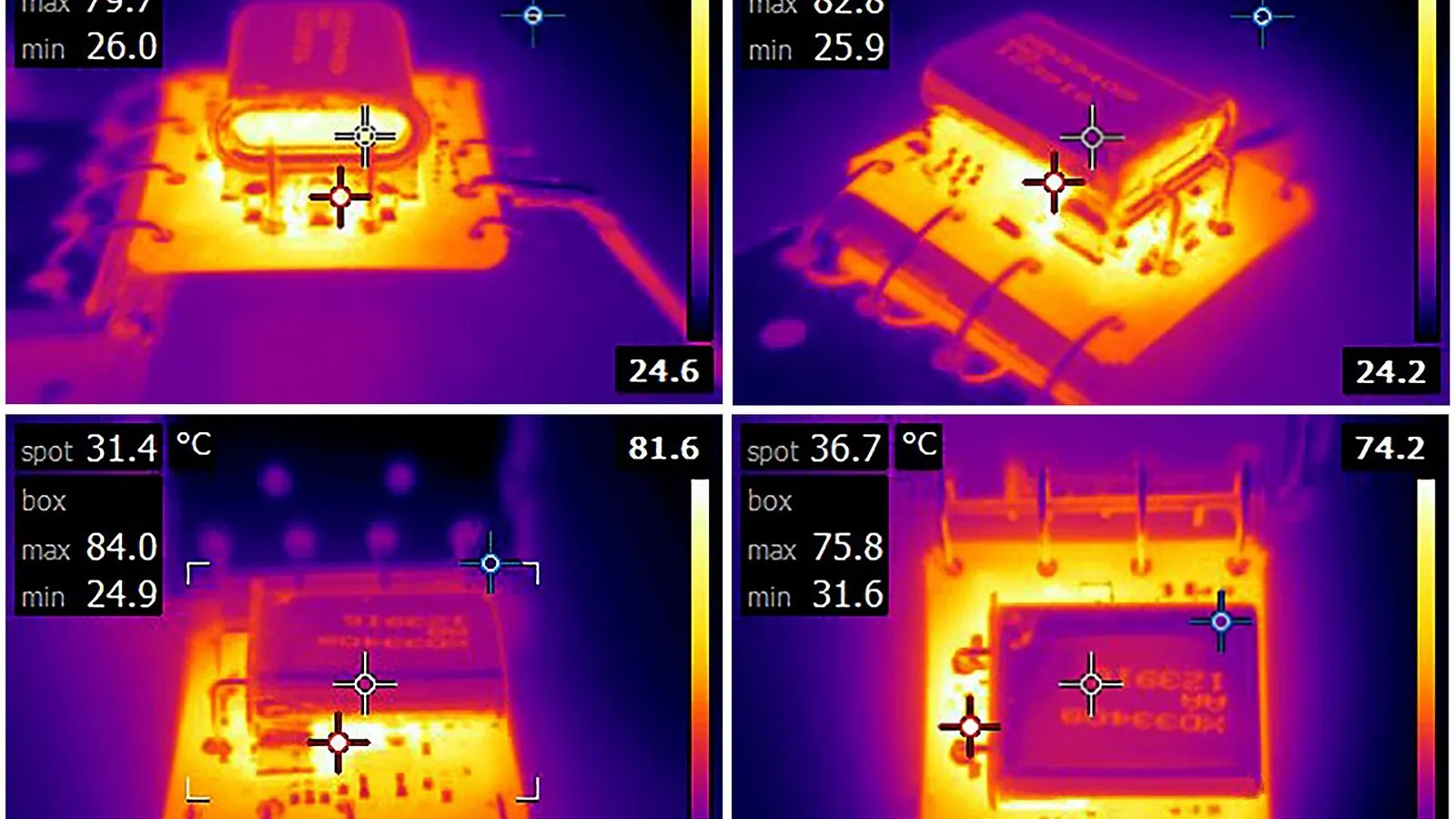
Thermal radiation is infrared radiation, part of the electromagnetic spectrum. All objects emit infrared radiation; the hotter the object, the more it emits. Unlike conduction and convection, radiation does not require a medium – it travels through a vacuum at the speed of light.
See Topic 3 · Mass and WeightInfrared in the electromagnetic spectrum: 3.3.2Effect of surface colour and texture
| Surface | Emitter of infrared | Absorber of infrared | Reflector of infrared |
|---|---|---|---|
| dull black | good | good | poor |
| shiny white / silver | poor | poor | good |
- Dull black surfaces are the best emitters and best absorbers of infrared.
- Shiny white or silver surfaces are the worst emitters and absorbers but the best reflectors.
Examples: cooling fins and radiators painted dull black emit well; houses in hot countries are painted white to reflect sunlight; survival blankets are shiny to reduce energy loss by radiation.
3Energy balance and temperature (Supplement)
- For an object to stay at a constant temperature, it must transfer energy away at the same rate as it receives energy.
- If it receives energy faster than it loses it, its temperature rises; if slower, its temperature falls.
- The Earth: its temperature depends on the balance between incoming radiation from the Sun and radiation emitted from the Earth's surface. Clouds, ice and snow reflect incoming radiation; greenhouse gases absorb outgoing infrared and re-emit some back, so more energy is retained and the Earth warms.
- The rate of emission of radiation increases with the surface temperature and the surface area of the object.
4Experiments: emitters and absorbers (Supplement)
Practical
Good and bad emitters
Aim. To compare infrared emission from different surfaces.
Method
- Fill a Leslie cube (a metal box with differently painted faces) with very hot water.
- Place an infrared detector (or thermometer with a blackened bulb) the same distance from each face.
- Record the reading for each face.
Results. The dull black face gives the highest reading; the shiny silver face the lowest.
Safety. Hot water – handle carefully.
Practical
Good and bad absorbers
Aim. To compare infrared absorption by different surfaces.
Method
- Fix a blob of wax (with a coin or pin) to the back of a dull black plate and a shiny plate.
- Place a heater exactly midway between the plates.
- Time how long it takes for each wax blob to melt.
Results. The wax on the dull black plate melts first: it absorbs infrared better.
5Exam focus
Key words: infrared; all objects emit; no medium; dull black – good emitter and absorber; shiny – good reflector; constant temperature when rates are equal; surface temperature and area.
Quick self-check
Answer in your head first, then reveal.
Radiation needs no medium / can travel through a vacuum (1); it is an electromagnetic wave / infrared (1).
Dull black is a good emitter of infrared (1); so energy is lost to the surroundings faster (1).
Leslie cube filled with hot water (1); detector at the same distance from each face (1); compare readings (1).