Detailed · Deep study
1Expansion of solids, liquids and gases
When a substance is heated at constant pressure its particles move faster and take up more space, so the substance expands. For the same temperature rise, gases expand the most, then liquids, then solids.
2Applications and consequences
| Example | What happens |
|---|---|
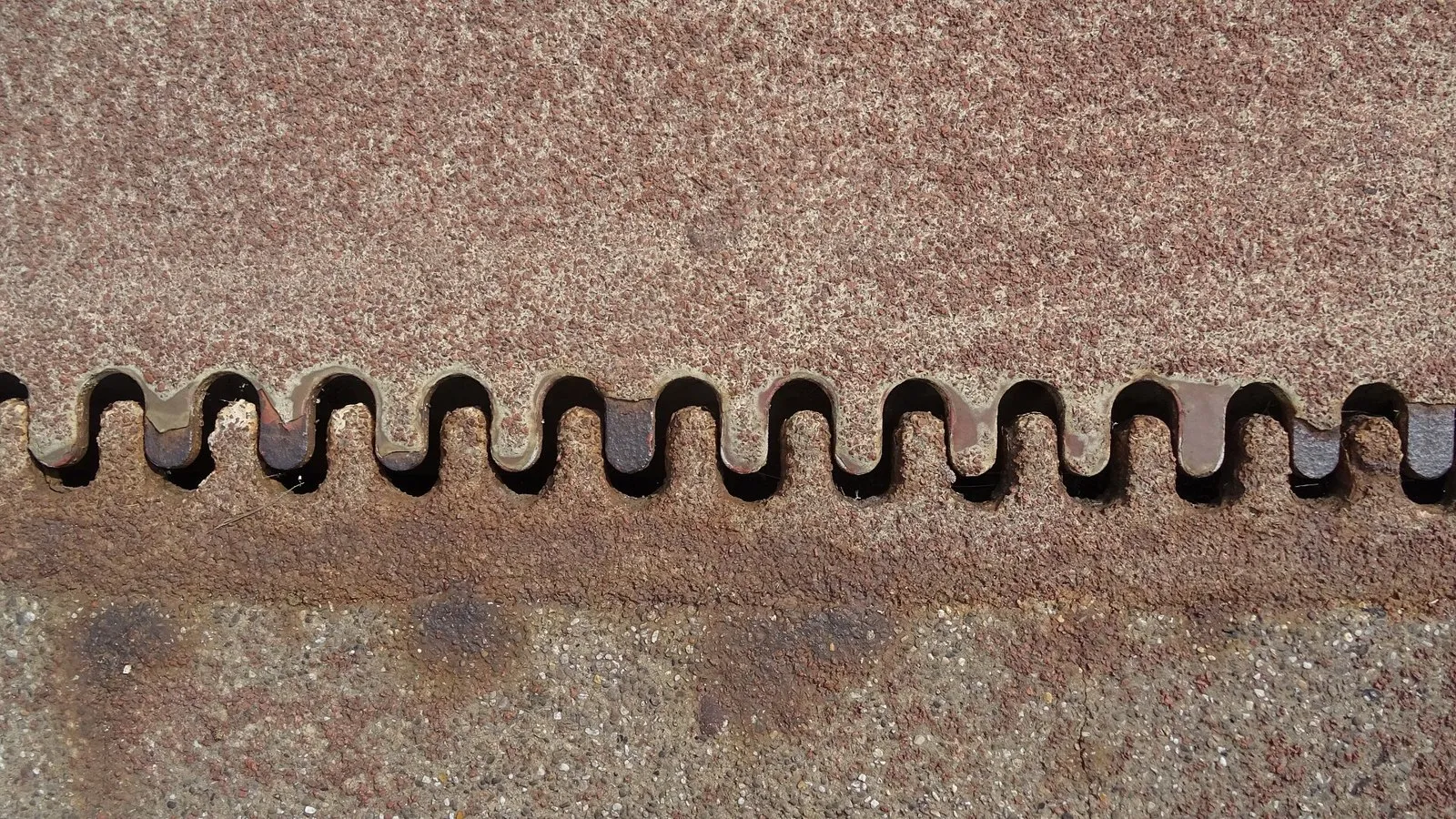
| railway lines, bridges, concrete roads | built with expansion gaps so they do not buckle when hot |
| overhead power cables | left slack so they do not snap when they contract in cold weather |
| liquid-in-glass thermometer | mercury or alcohol expands up a narrow capillary tube |
| bimetallic strip | bends when heated; used in thermostats and fire alarms to open or close a circuit |
| tight metal lid on a glass jar | run under hot water: the metal expands more than the glass, loosening the lid |
3Explaining the differences (Supplement)
- Solids: particles are held in fixed positions by strong forces; heating makes them vibrate more, so they move only slightly further apart – small expansion.
- Liquids: forces are weaker and particles can move around, so they separate more – larger expansion.
- Gases: forces between particles are negligible and they are already far apart; faster particles spread out much more – largest expansion.
4Exam focus
Key words: expand; gases most, solids least; expansion gaps; bimetallic strip; forces between particles.
Quick self-check
Answer in your head first, then reveal.
Metal / concrete expands in hot weather (1); gap prevents buckling / damage (1).
It bends (1); because one metal expands more than the other (1).
Forces between gas particles are negligible / particles are far apart (1); solid particles held by strong forces (1).