Detailed · Deep study
1Information systems in medicine
| Record | Characteristics and uses |
|---|---|
| patient records | stored in a database: name, date of birth, address, unique ID number, contact details, medical history, allergies, test results, scans, treatments and appointments. Can be accessed quickly by authorised doctors in different places, and searched; must be kept secure and confidential |
| pharmacy records | details of patients and the medicines prescribed (drug, dose, frequency); the system checks for allergies and dangerous combinations, prints labels and keeps track of stock, re-ordering automatically |
23D printers in medicine
| Use | Description |
|---|---|
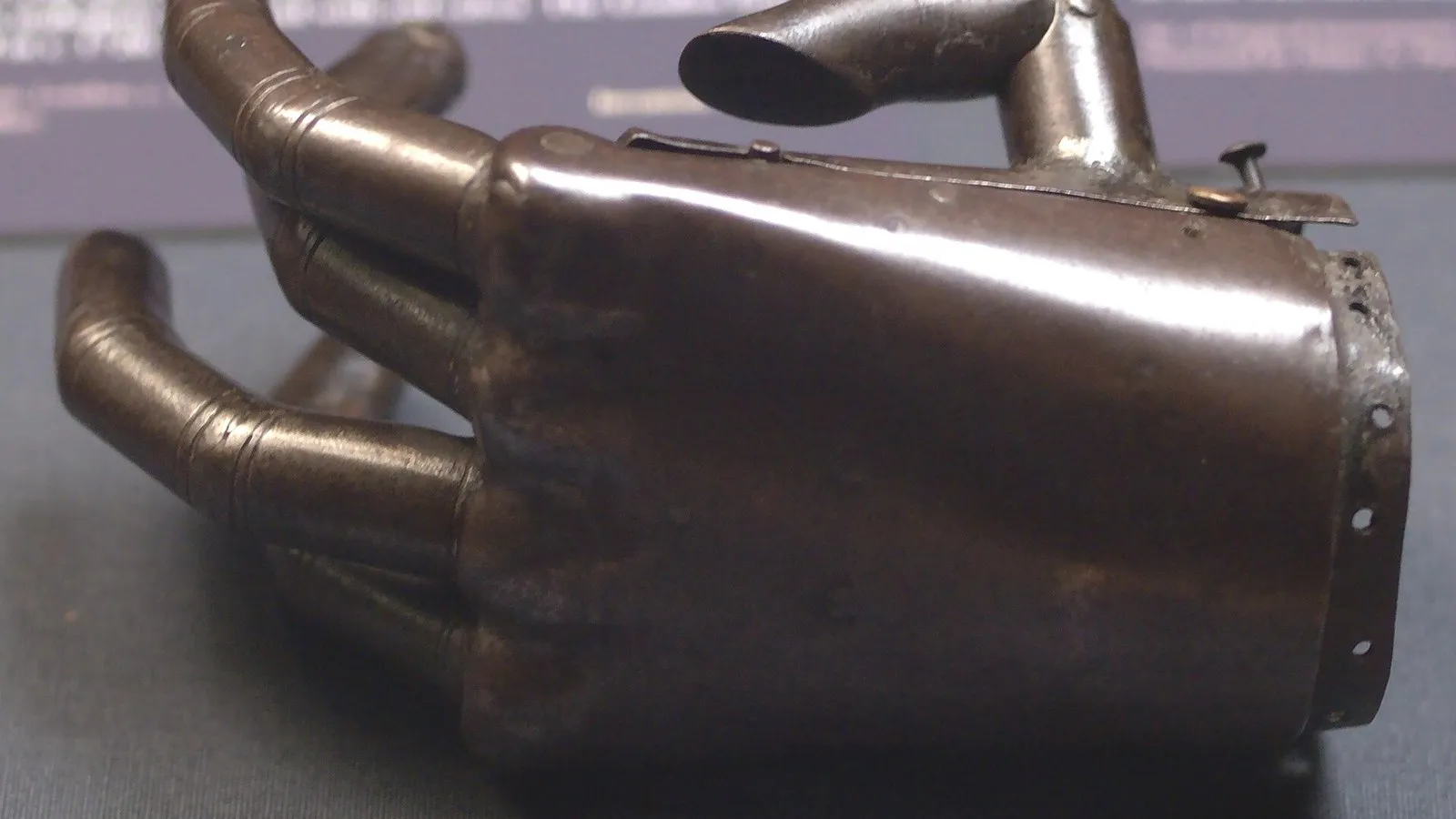
| prosthetics | artificial limbs and hands printed to fit the patient exactly, cheaply and quickly; easily replaced as children grow |
| tissue engineering | layers of living cells are printed to make tissue for repairs or testing medicines |
| artificial blood vessels | tubes printed using cells or special materials to replace damaged vessels |
| customised medicines | tablets printed with the exact dose, or several medicines in one tablet, for each patient |
3Exam focus
Key words: patient record; pharmacy record; 3D printing; prosthetic; tissue engineering.
Quick self-check
Answer in your head first, then reveal.
Any two: name; date of birth; ID number; medical history; allergies; test results (2).
e.g. printing prosthetic limbs to fit the patient exactly (1+1).