Detailed · Deep study
1In the home
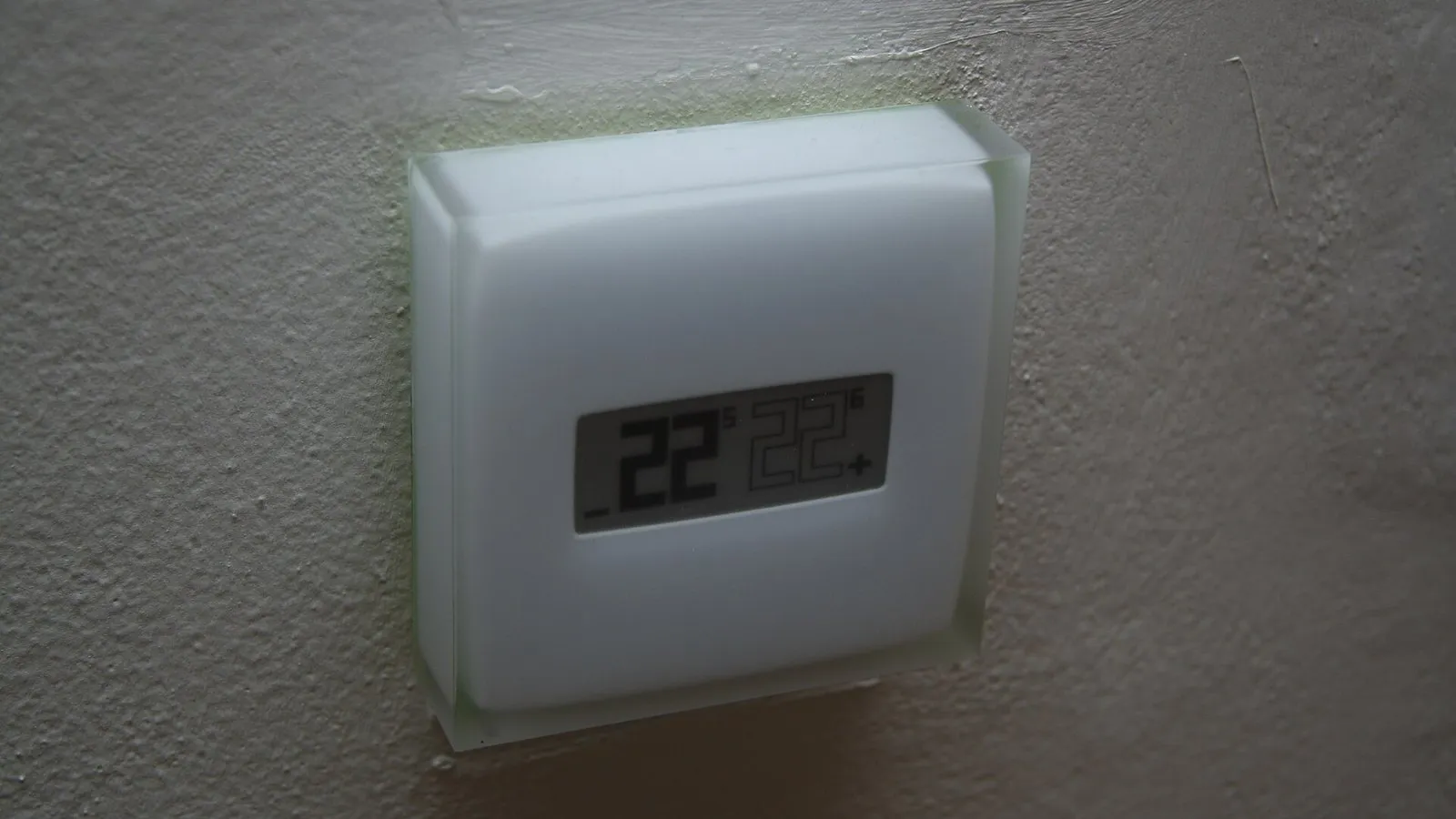
Microprocessor-controlled (smart) devices in the home include washing machines, ovens, central heating, lighting, alarms, fridges, robot vacuum cleaners, smart speakers and TVs. Many can be monitored and controlled remotely from a smartphone.
| Positive effects in the home | Negative effects in the home |
|---|---|
| smart devices (heating, lights, washing machines, ovens) can be set and controlled remotely, saving time and energy | people may become lazy and dependent on devices; less exercise (physical fitness) |
| more leisure time – fewer household chores; robot vacuum cleaners | smart devices connected to the internet can be hacked; personal data may be collected (security of data) |
| improved lifestyle: meals ready when you get home; fitness trackers encourage exercise | people may spend more time on devices and less with others – reduced social interaction |
| better security: smart alarms, cameras and locks monitored from a phone | devices are expensive and may fail or need updates; old skills (e.g. cooking) may be lost |
2In transport
| Positive effects in transport | Negative effects in transport |
|---|---|
| autonomous vehicles may reduce accidents caused by human error, and drive more efficiently, saving fuel | autonomous vehicles are expensive; sensors may fail in bad weather; questions over responsibility for accidents |
| transport safety: anti-lock brakes, traction control, collision warnings, adaptive cruise control | vehicle systems can be hacked (security of data); location data can be tracked |
| traffic lights and smart motorways manage congestion; trains and planes run more reliably | drivers may rely too much on the technology and lose skills |
| GPS navigation finds the best routes | job losses, e.g. drivers |
3Exam focus
Key words: microprocessor; smart device; lifestyle; leisure time; physical fitness; security of data; social interaction; autonomous vehicle.
Quick self-check
Answer in your head first, then reveal.
Any two, e.g. more leisure time (1); can be controlled remotely (1); improved home security (1); energy saving (1).
People do fewer manual tasks/walk less, so get less exercise (1+1).
Any two: fewer accidents from human error; more efficient driving/fuel saving; less congestion; passengers can do other things (2).