Detailed · Deep study
1Recognition systems
| System | Characteristics and uses | Advantages | Disadvantages |
|---|---|---|---|
| Optical Mark Recognition (OMR) | reads marks in set positions on forms: school registers, multiple-choice examination papers; barcodes and QR codes are read optically in a similar way | very fast; accurate; no data entry by hand | forms must be carefully designed; marks outside boxes are missed |
| Optical Character Recognition (OCR) | converts printed or handwritten characters into editable text; automated number plate recognition (ANPR) in car parks, speed cameras and toll roads | fast; no typing; ANPR works automatically 24/7 | errors with poor handwriting, dirt or damaged number plates; output must be checked |
| Radio Frequency Identification (RFID) | reads tags by radio waves: tracking stock, passports, automobiles (tolls, car keys), contactless payment | no line of sight; many tags read at once; works through materials | tags can be read without the owner knowing; more expensive than barcodes |
| Near Field Communication (NFC) | very short-range (a few cm) RFID used for payment with a smartphone and for sharing data between phones | quick and convenient; secure because of the short range and phone security | needs an NFC phone and reader; battery must be charged |
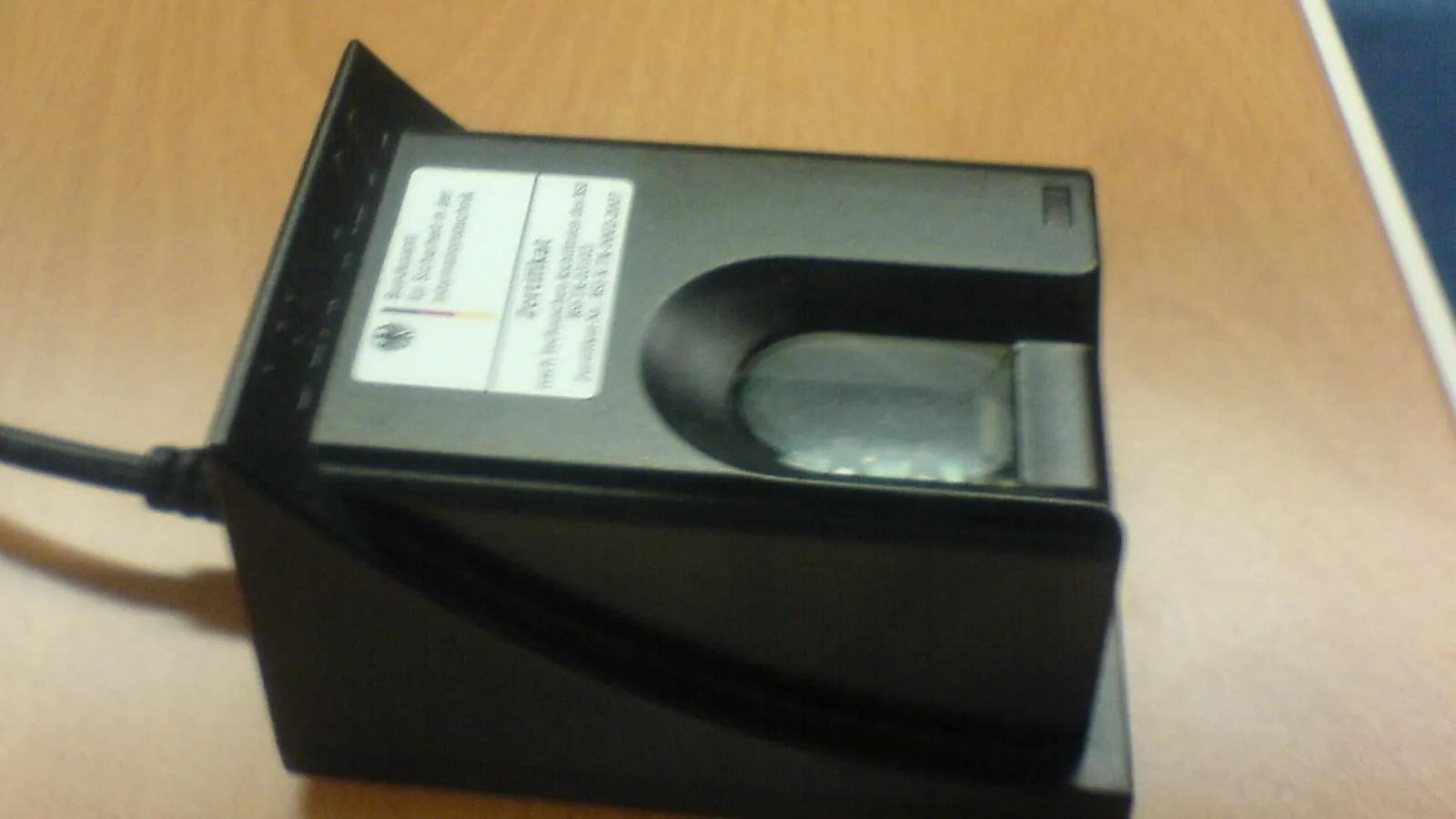
| biometric recognition | face, iris, retina, finger, thumb, hand and voice recognition for identification: unlocking phones, passport control, building access | unique to each person; cannot be forgotten or lent | expensive; can fail (injury, lighting, illness); privacy concerns |
ANPR works like this: a camera photographs the vehicle; the number plate is found in the image; OCR converts it into text; the number is checked against a database (e.g. of cars that have paid, or stolen vehicles), and the barrier opens or a fine is sent.
2Exam focus
Key words: OMR; OCR; ANPR; RFID; NFC; biometrics.
Quick self-check
Answer in your head first, then reveal.
Camera captures the number plate (1); OCR converts it to text (1); stored with entry time (1); checked on exit to calculate the fee/open barrier (1).
Advantage: no line of sight / many items at once (1). Disadvantage: more expensive than barcodes / tags read without permission (1).