Detailed · Deep study
1Artificial intelligence
artificial intelligence (AI)
The ability of a computer system to simulate intelligent human behaviour, such as learning, reasoning and making decisions.
| Impact on everyday life | Concerns |
|---|---|
| voice assistants and chatbots answer questions and carry out tasks | job losses as tasks become automated |
| recommendations for shopping, music and video | privacy – large amounts of personal data are collected |
| medical diagnosis from scans; faster drug discovery | decisions may be biased or hard to explain |
| self-driving vehicles; smart home devices | over-reliance on technology; who is responsible when it goes wrong? |
| translation and spam filtering | can be used to create fake images, video or audio |
2Extended reality
| Virtual reality (VR) | Augmented reality (AR) | |
|---|---|---|
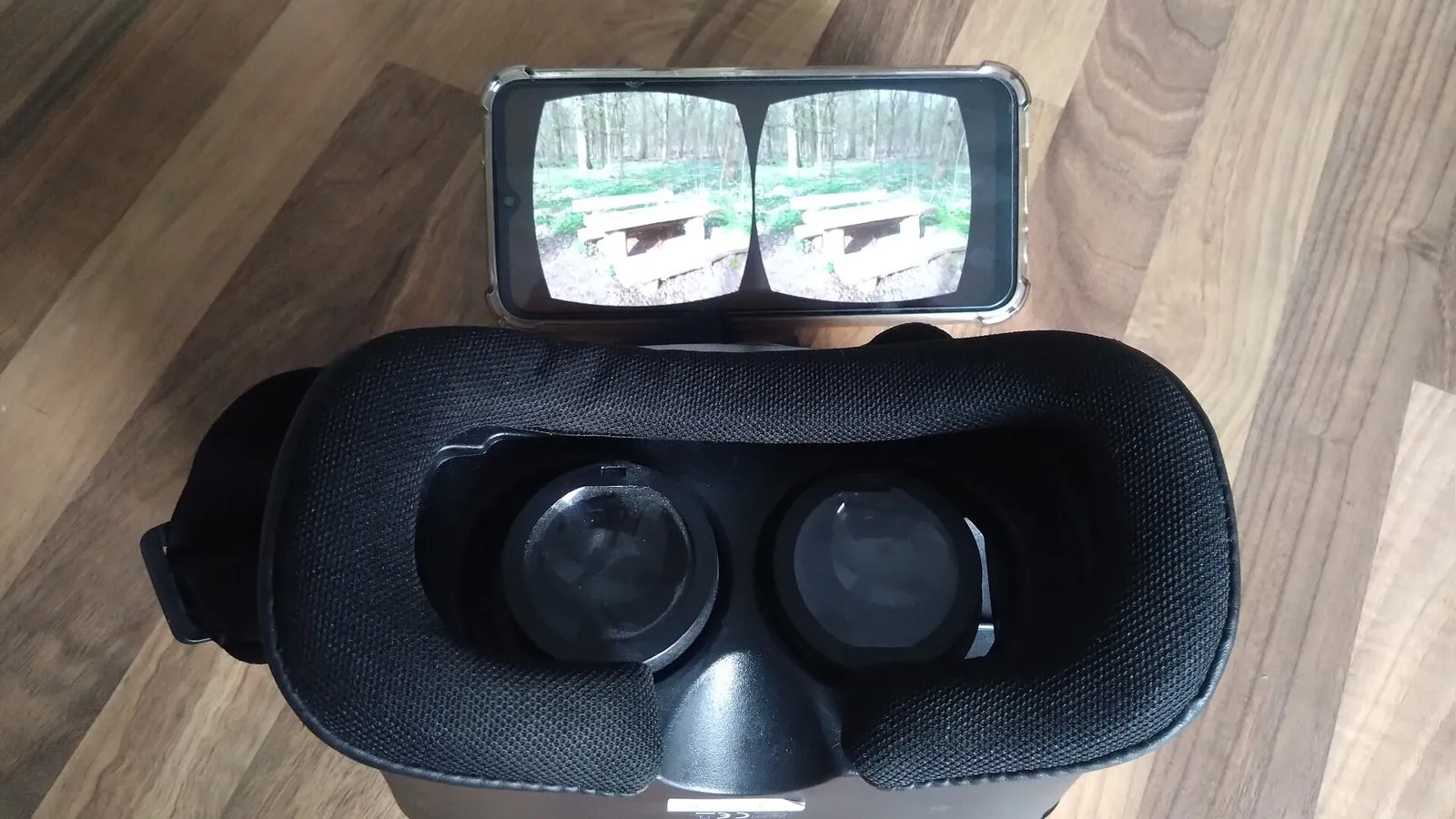
| what | the user is fully immersed in a computer-generated 3D world, using a headset (and often gloves/controllers) | computer-generated images or information are overlaid on the real world, using a phone, tablet or smart glasses |
| examples | gaming, training pilots and surgeons, virtual tours of buildings or museums, treating phobias | seeing furniture in your room before buying, navigation arrows on the road, games, showing labels on machines for engineers |
| impact | safe, realistic training without risk; new forms of entertainment | information where you need it; helps learning and shopping |
| issues | expensive headsets; motion sickness; isolation from the real world | distraction (e.g. walking into traffic); privacy of camera data |
3Exam focus
Key words: artificial intelligence; virtual reality; augmented reality; extended reality.
Quick self-check
Answer in your head first, then reveal.
VR: a fully computer-generated environment / user immersed via headset (1); AR: computer images overlaid on the real world (1).
Positive, e.g. voice assistants/medical diagnosis/self-driving cars (1); negative, e.g. job losses/privacy/bias (1).