Detailed · Deep study
1Examples
| System | How it works |
|---|---|
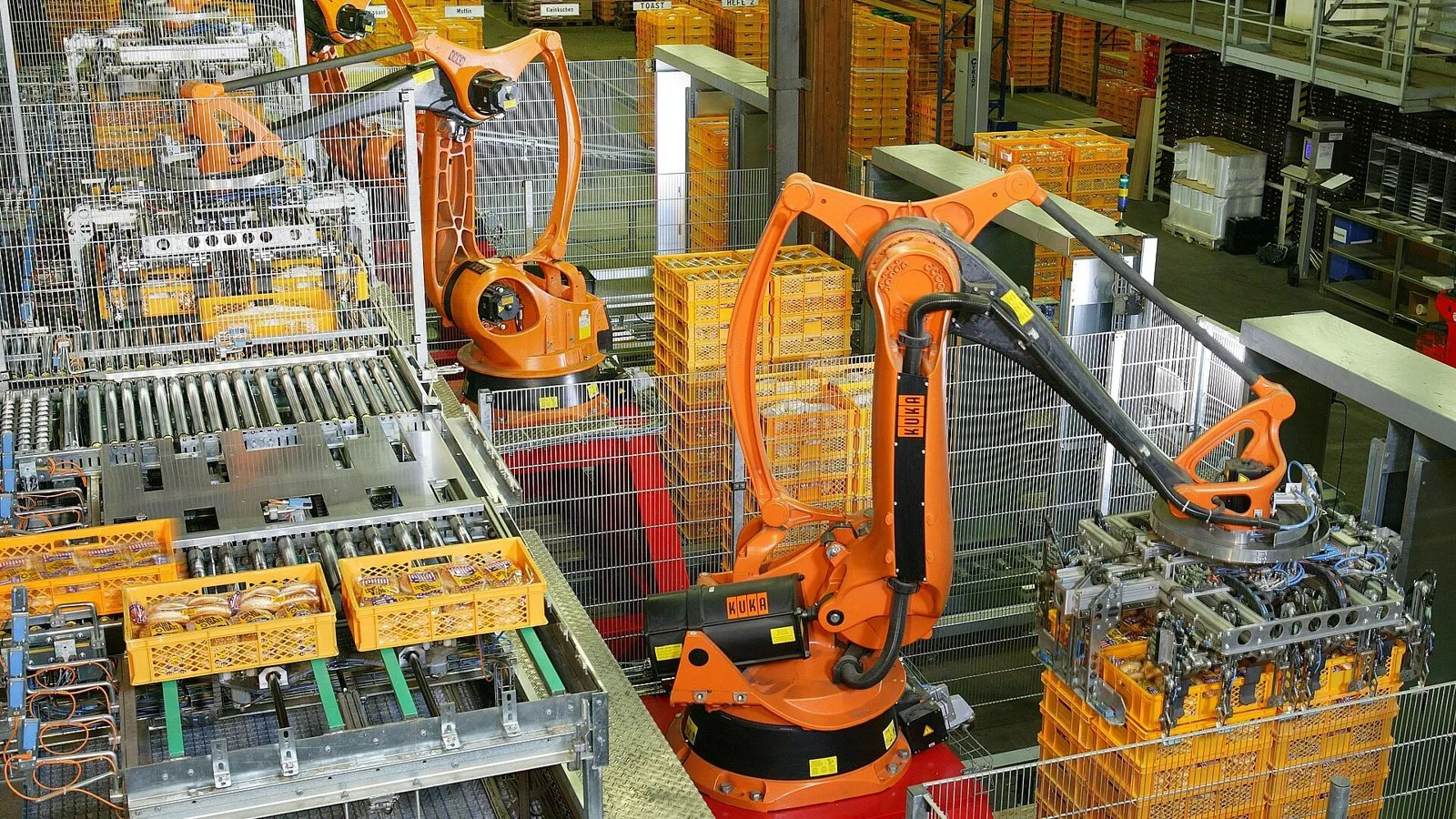
| robotics in manufacture | programmed robot arms carry out tasks such as welding, paint spraying, assembling parts and packing; they can be reprogrammed for new tasks |
| production line control | sensors detect items on a conveyor and check them (size, weight, fill level); the computer controls conveyors, valves and robots; faulty items are rejected automatically |
| autonomous vehicles | cameras, radar, lidar and GPS sense the surroundings; the computer controls steering, acceleration and brakes; used in cars, lorries, trains, warehouse vehicles and drones |
2Computer control versus humans
| Advantages | Disadvantages |
|---|---|
| work 24/7 without breaks or tiredness | expensive to buy, set up and maintain |
| consistent, accurate results; less waste | job losses for unskilled workers |
| can work in dangerous environments (heat, fumes, radiation) | cannot react well to unexpected situations |
| cheaper to run in the long term (no wages) | a breakdown can stop the whole line; can be hacked |
3Exam focus
Key words: robotics; production line; autonomous vehicle; sensor; actuator.
Quick self-check
Answer in your head first, then reveal.
Any two: work continuously; consistent quality; safer for workers; lower long-term costs (2).
Cameras/radar/lidar detect objects and road markings (1); data sent to the computer, which controls brakes/steering (1).