Detailed · Deep study
1Direct data entry devices
Direct data entry devices capture data automatically, so they are faster and have fewer errors than manual entry with a keyboard.
| Device | Characteristics and uses | Advantages | Disadvantages |
|---|---|---|---|
| magnetic stripe reader | reads data stored in a magnetic stripe on the back of a card when it is swiped; bank cards, hotel key cards, travel passes | fast; simple and cheap; data cannot be read by eye | stripe can be damaged by magnets; data can be copied (skimming); card must be in contact |
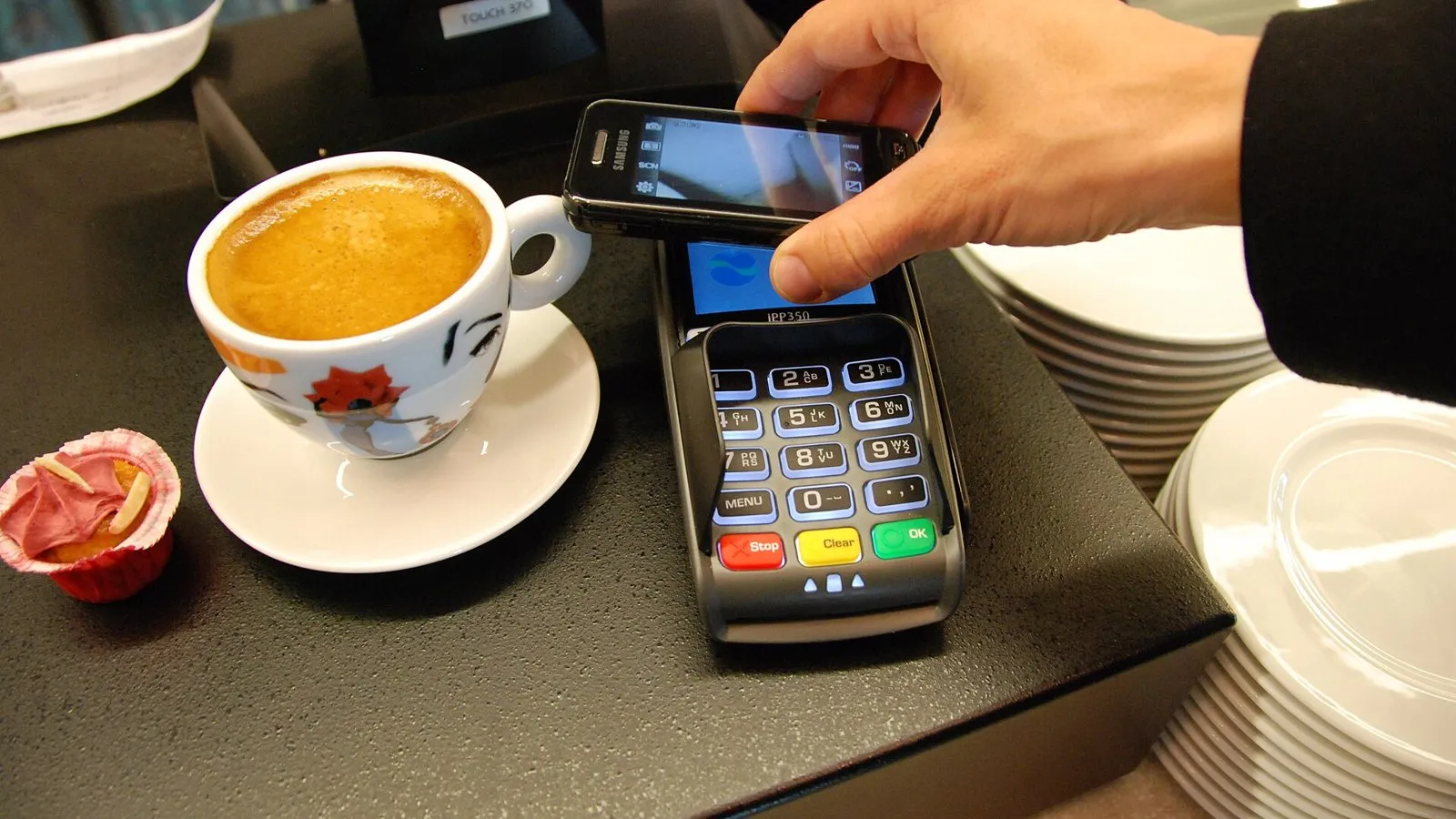
| chip and PIN reader | reads the microchip in a bank card; the customer enters a PIN to confirm | more secure than a stripe – the chip is hard to copy and a PIN is needed | the PIN can be seen by others (shoulder surfing); slower than contactless |
| RFID reader | reads data from a tag using radio waves; no line of sight needed; stock tracking, pet chips, passports, contactless cards, toll roads | reads from a distance and through materials; many tags read at once; fast | tags can be read without the owner knowing; more expensive than barcodes; signals can be blocked or jammed |
| OMR (optical mark reader) | detects marks made in set positions on a form; multiple-choice exams, school registers, lottery tickets | very fast for large numbers of forms; accurate | forms must be designed and printed carefully; marks outside the boxes are missed; can only record marked choices |
| OCR (optical character reader) | software converts scanned text into editable text; passports, number plates, digitising books | saves retyping; text can be searched and edited | errors with poor handwriting or poor print quality; output must be checked |
| barcode reader | a laser or LED shines on the bars; the reflected light is read and converted to a number; supermarkets, libraries, stock control | fast and accurate; no typing errors; updates stock automatically | barcodes can be damaged; only holds a number (product code); scanner must "see" the code |
| QR scanner | a camera reads a 2D QR code, which can store much more data (e.g. a URL, ticket, payment details) | stores more data than a barcode; read by any phone camera; works when partly damaged | can link to fake/malicious websites (QR scams); needs a camera and app |
2Exam focus
Key words: direct data entry; magnetic stripe; chip and PIN; RFID; OMR; OCR; barcode; QR code.
Quick self-check
Answer in your head first, then reveal.
The chip is harder to copy than a stripe (1); a PIN must also be entered (1).
No line of sight needed / many items read at once / reads from a distance (1).
Optical mark reader (OMR) (1).
Reading passports / number plates (ANPR) / digitising documents (1).