Detailed · Deep study
1Conditions for rusting
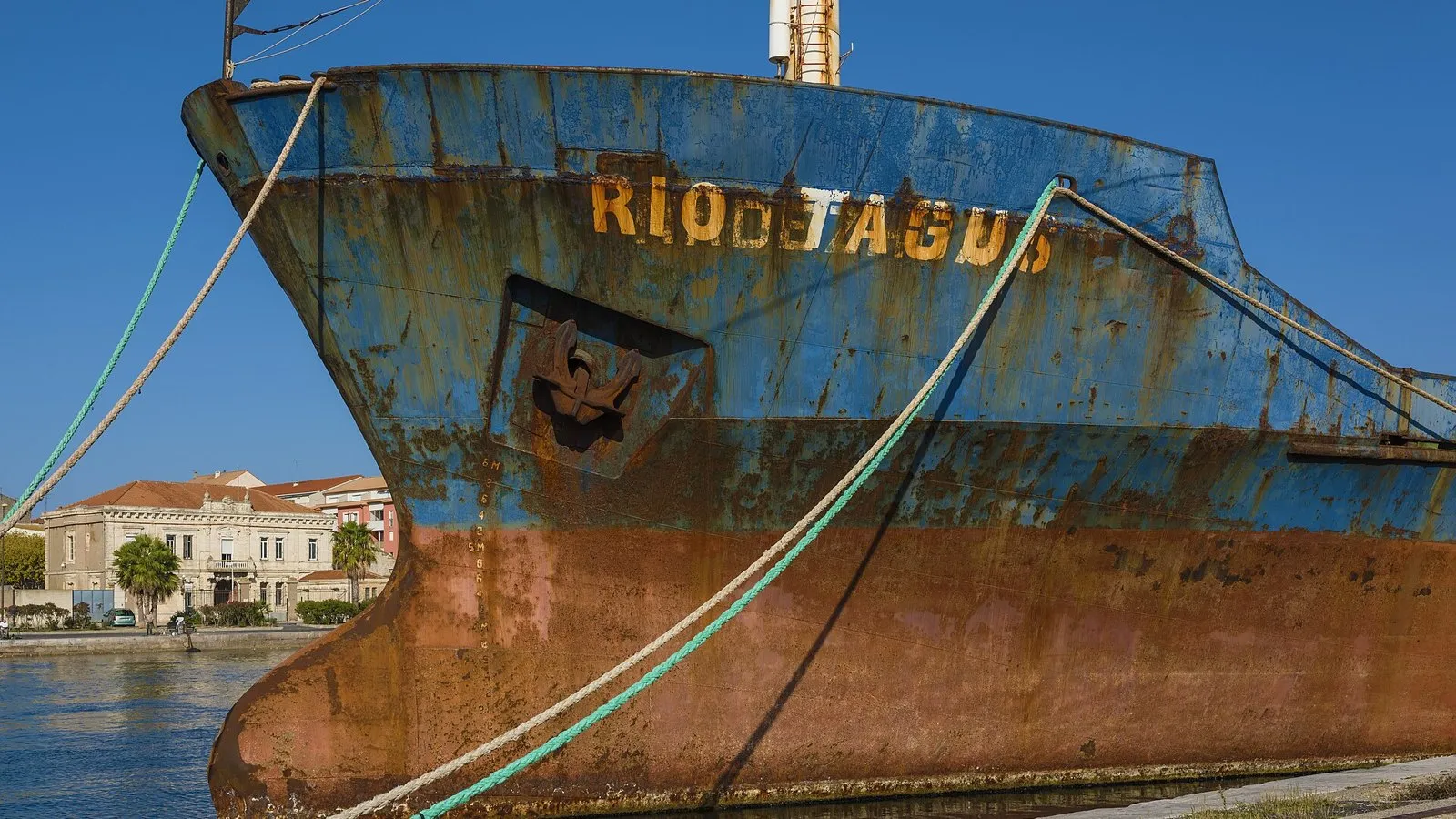
Rusting is the corrosion of iron and steel. It needs both water and oxygen. The product, rust, is hydrated iron(III) oxide, a brown, flaky solid that falls away and exposes fresh iron.
Rusting is faster in salty water (e.g. near the sea or where roads are salted) and when it is warm.
2Barrier methods
| Method | Example of use | How it works |
|---|---|---|
| painting | cars, bridges, railings | coat keeps out oxygen and water |
| greasing / oiling | bicycle chains, machine parts (moving parts) | layer of grease keeps out oxygen and water |
| coating with plastic | garden furniture, wire fences, dish racks | plastic layer keeps out oxygen and water |
3Galvanising and sacrificial protection (Supplement)
Galvanising means coating iron or steel with a layer of zinc. It protects in two ways:
- Barrier: the zinc keeps out oxygen and water.
- Sacrificial protection: zinc is more reactive than iron. If the coating is scratched, zinc still reacts in preference to iron. Zinc atoms lose electrons more readily than iron atoms, forming Zn²⁺, so the iron does not lose electrons and does not rust.
Sacrificial protection is also used without a full coating: blocks of zinc or magnesium are bolted to ships' hulls and underground pipes. They corrode instead of the steel and are replaced from time to time.
4Exam focus
Key words: water and oxygen; hydrated iron(III) oxide; barrier – excludes oxygen or water; galvanising; zinc more reactive; loses electrons in preference to iron; sacrificial.
Quick self-check
Answer in your head first, then reveal.
Water (1); oxygen / air (1).
Forms a barrier (1); keeps out oxygen and water (1).
Greasing / oiling (1); paint would crack off a moving part / grease still allows movement (1).
Zinc is more reactive than iron (1); zinc loses electrons / is oxidised instead of iron (1); sacrificial protection (1).