Detailed · Deep study
1Physical changes
In a physical change no new substance is made. The particles stay the same; only their arrangement or spacing changes. Physical changes are usually easy to reverse.
- changes of state: melting, freezing, boiling, condensing, sublimation
- dissolving a solid in a solvent, and crystallising it back out
- separating mixtures: filtration, distillation, chromatography
2Chemical changes
In a chemical change (a chemical reaction) one or more new substances are made. Atoms are rearranged: bonds in the reactants break and new bonds form. Chemical changes are usually difficult to reverse.
Signs of a chemical change include: a gas given off (effervescence), a colour change, a precipitate forming, a temperature change, or light being given out.
- combustion (burning) of fuels
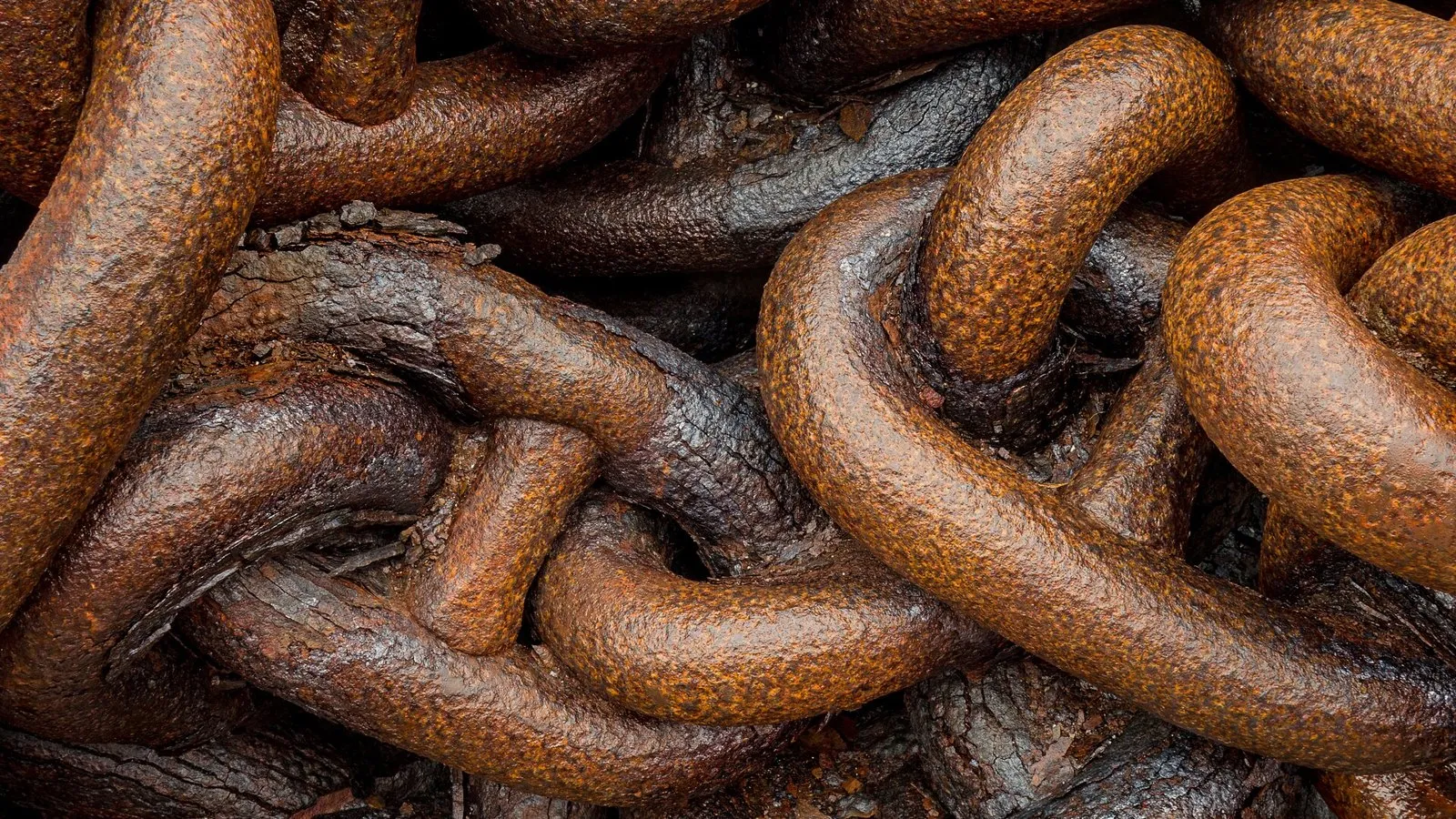
- rusting of iron
- thermal decomposition of calcium carbonate
- neutralisation of an acid by an alkali
- baking, cooking and fermentation
3Comparing the two
| Feature | Physical change | Chemical change |
|---|---|---|
| New substance formed | no – the same substance in a different form | yes – products differ from reactants |
| Reversibility | usually easily reversed | usually difficult to reverse |
| Energy change | usually small | often large |
| Mass | stays the same | total mass of products = total mass of reactants |
4Exam focus
Key words: new substance formed; easily reversed; energy change; atoms rearranged; change of state.
Quick self-check
Answer in your head first, then reveal.
(a) physical (b) chemical (c) physical (d) chemical (1 each).
Chemical change forms a new substance, physical does not (1); chemical usually difficult to reverse, physical easily reversed (1).