Detailed · Deep study
1Yeast: biofuels and bread
Yeast respires anaerobically: glucose → ethanol + carbon dioxide.
| Use | Role of anaerobic respiration in yeast |
|---|---|
| Ethanol for biofuels | Sugar from crops such as sugar cane or maize (starch broken down to sugars) is fermented by yeast without oxygen. The ethanol produced is separated by distillation and used as a fuel, alone or mixed with petrol |
| Bread-making | Yeast is mixed with flour, sugar and water and left in a warm place. Respiration produces carbon dioxide, which forms bubbles that make the dough rise. The ethanol evaporates during baking, and the heat kills the yeast |
2Enzymes: pectinase, washing powders and lactase
Pectinase breaks down pectin, which holds plant cells together in their cell walls. Adding pectinase to fruit pulp makes the cell walls break down, so more juice is released and the juice is clearer.
Biological washing powders contain enzymes: proteases digest protein stains (blood, egg), lipases digest fat and oil stains, and amylases digest starch stains. The large insoluble molecules are broken into small soluble ones that wash away. They work well at low temperatures, saving energy and protecting delicate fabrics, but very hot water would denature them.
Practical
Investigating biological washing powder
Aim. To compare how well biological and non-biological washing powders remove a protein stain.
Method
- Stain identical pieces of cloth with the same volume of egg yolk or blood substitute and let them dry.
- Put each piece in a beaker with the same volume of water at 40 °C: one with biological powder, one with the same mass of non-biological powder, one with water only (control).
- Leave for the same time, stirring the same amount.
- Rinse and compare how much stain remains (or time how long the stain takes to disappear).
| independent variable | Type of washing powder |
|---|---|
| dependent variable | Amount of stain removed (or time to remove) |
| controlled variable | Temperature, volume of water, mass of powder, size of stain, time |
Results. The biological powder removes the stain most completely, because its proteases digest the protein.
Safety. Washing powders can irritate skin and eyes: wear eye protection and avoid handling the powder.
3Fermenters (Supplement)
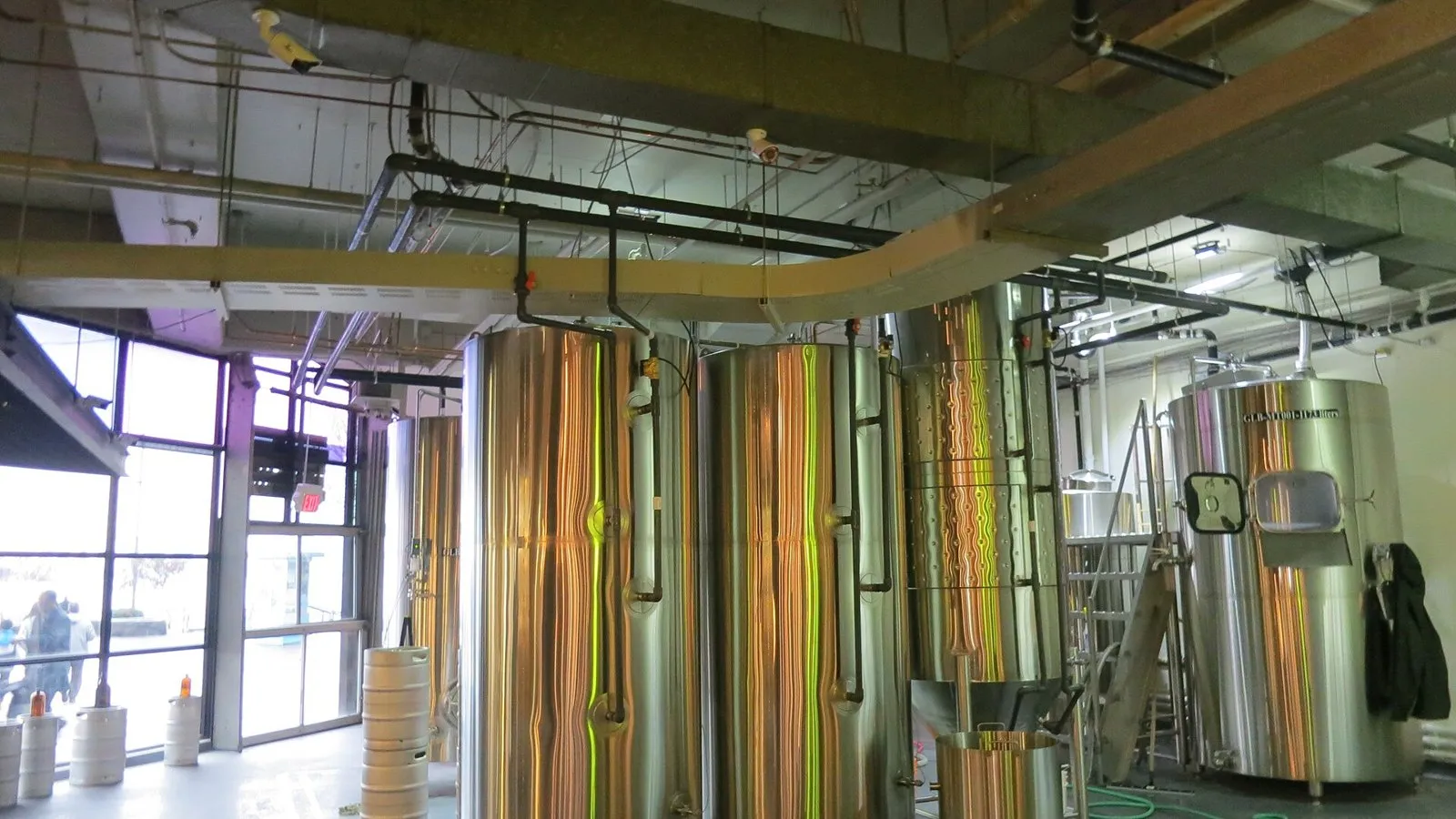
Fermenters are large vessels used to grow bacteria and fungi on a large scale in controlled conditions. Products include insulin (from genetically modified bacteria), penicillin (an antibiotic made by the fungus Penicillium) and mycoprotein (a protein-rich food made from the fungus Fusarium).
| Condition controlled | How | Why |
|---|---|---|
| Temperature | Water jacket with cold water; temperature probe | Respiration of the microorganisms releases heat; too hot and enzymes denature, too cold and growth is slow |
| pH | pH probe; acid or alkali added | Enzymes work best at their optimum pH; waste products can change the pH |
| Oxygen | Sterile air bubbled in | For aerobic respiration, so the microorganisms grow fast and make the product |
| Nutrient supply | Nutrients added at the start or during production; paddles stir the mixture | Provide glucose (energy) and amino acids / nitrogen for growth; stirring spreads nutrients and heat evenly |
| Waste products | Waste gases leave through an outlet; product drawn off | Waste such as carbon dioxide could become toxic or change the pH |
4Exam focus
Practice questions
Quick self-check
Answer in your head first, then reveal.
Yeast respires anaerobically; producing carbon dioxide; gas bubbles make the dough rise (ethanol evaporates on baking).
Breaks down pectin (in cell walls); so more juice is released / juice is clearer.
Enzymes are denatured at high temperatures; so they cannot digest the stains.
Lactase breaks down lactose; into glucose and galactose.
Respiration releases heat, so cooling is needed; enzymes denature if too hot; oxygen needed for aerobic respiration; for fast growth and product formation.