Detailed · Deep study
1Sexually transmitted infections
an infection that is transmitted through sexual contact
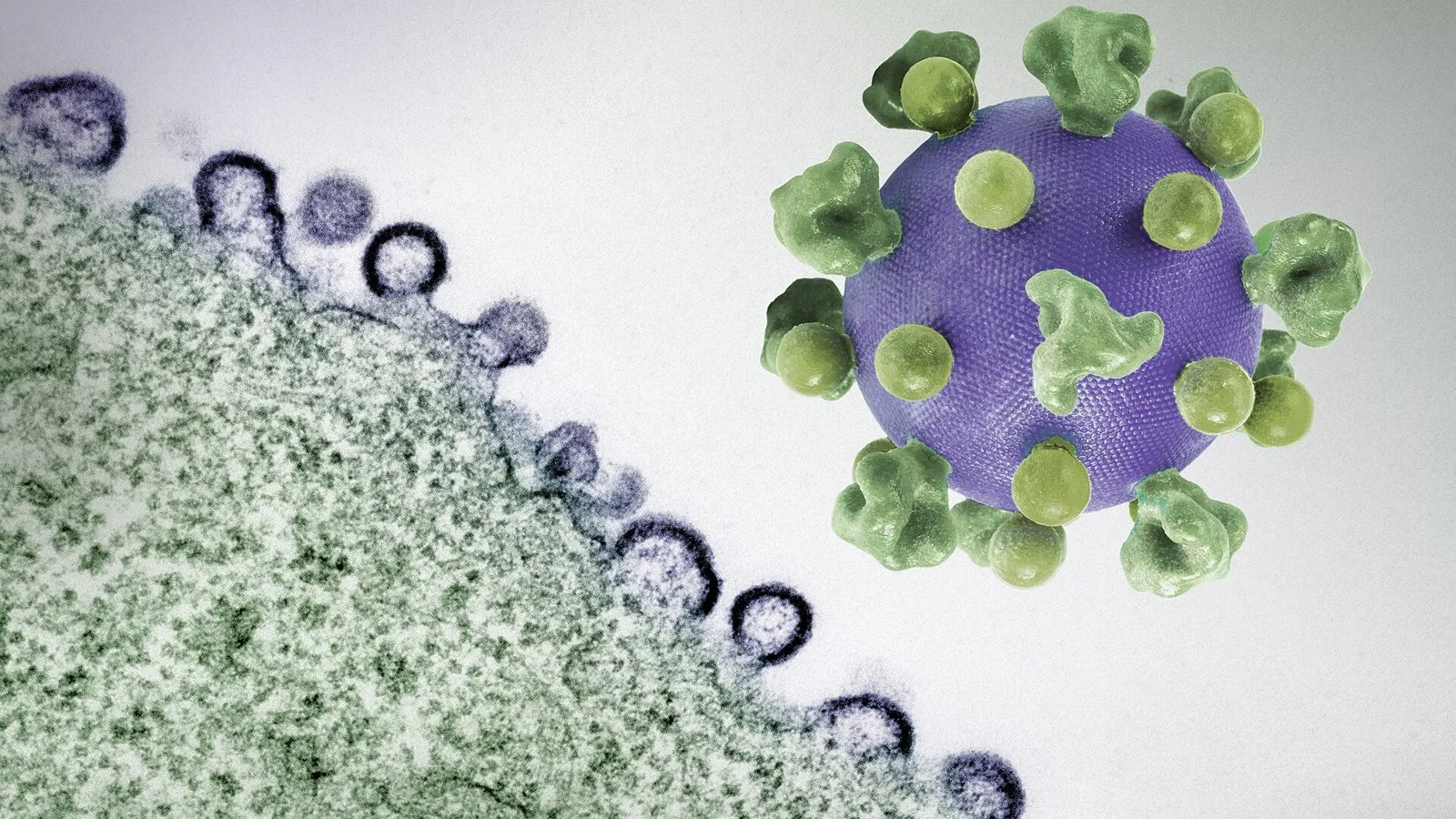
STIs are passed on in body fluids during sexual contact. Examples include HIV, gonorrhoea and syphilis. Human immunodeficiency virus (HIV) is a pathogen that causes an STI.
2HIV and AIDS
HIV infects and destroys some of the body's lymphocytes, weakening the immune system over time. HIV infection may lead to AIDS (acquired immune deficiency syndrome), when the immune system is so weak that the person catches other infections, such as tuberculosis and pneumonia, which can kill them. Antiretroviral drugs slow the progress of HIV, but there is no cure.
| Method of transmission | Example |
|---|---|
| Sexual contact | Unprotected sex with an infected person, through semen or vaginal fluids |
| Shared needles | Drug users sharing hypodermic needles contaminated with infected blood |
| Infected blood | Transfusion of blood that has not been screened |
| Mother to baby | Across the placenta, during birth, or in breast milk |
3Controlling the spread of STIs
| Method | How it reduces spread |
|---|---|
| Using condoms | A barrier that stops body fluids passing between partners |
| Limiting the number of sexual partners | Fewer contacts means fewer chances of meeting an infected person |
| Testing and treatment | People who know they are infected can be treated (e.g. antibiotics for bacterial STIs, antiretroviral drugs for HIV) and avoid infecting others; partners can be traced and tested |
| Not sharing needles | Needle exchange schemes give drug users clean needles |
| Screening donated blood | Infected blood is not used in transfusions |
| Education | People learn how STIs are spread and how to protect themselves |
4Exam focus
Practice questions
Quick self-check
Answer in your head first, then reveal.
An infection transmitted through sexual contact.
Unprotected sexual contact; sharing needles; infected blood transfusion; mother to baby (placenta/birth/breast milk).
Condoms act as a barrier to body fluids; testing and treatment / contact tracing reduces the number of people who can pass on infection (or other valid method with explanation).