Detailed · Deep study
1Sewage and fertiliser in water
Excess fertiliser washed off fields by rain, and untreated sewage, add nitrate, phosphate and other nutrients to rivers and lakes. Algae and water plants grow rapidly, covering the surface and blocking light from plants below. When they die, decomposers break them down and use up the dissolved oxygen, so fish and other animals die. Untreated sewage also contains pathogens that cause disease, and its organic matter is decomposed directly, using up oxygen.
- Increased availability of nitrate and other ions in the water.
- Increased growth of producers (algae and plants): an algal bloom.
- Producers die (algae die quickly; plants below die from lack of light): increased decomposition.
- Increased aerobic respiration by decomposers (bacteria), whose numbers rise.
- Reduction in dissolved oxygen in the water.
- Death of organisms requiring dissolved oxygen, such as fish and invertebrates.
2Non-biodegradable plastics
| Ecosystem | Effects |
|---|---|
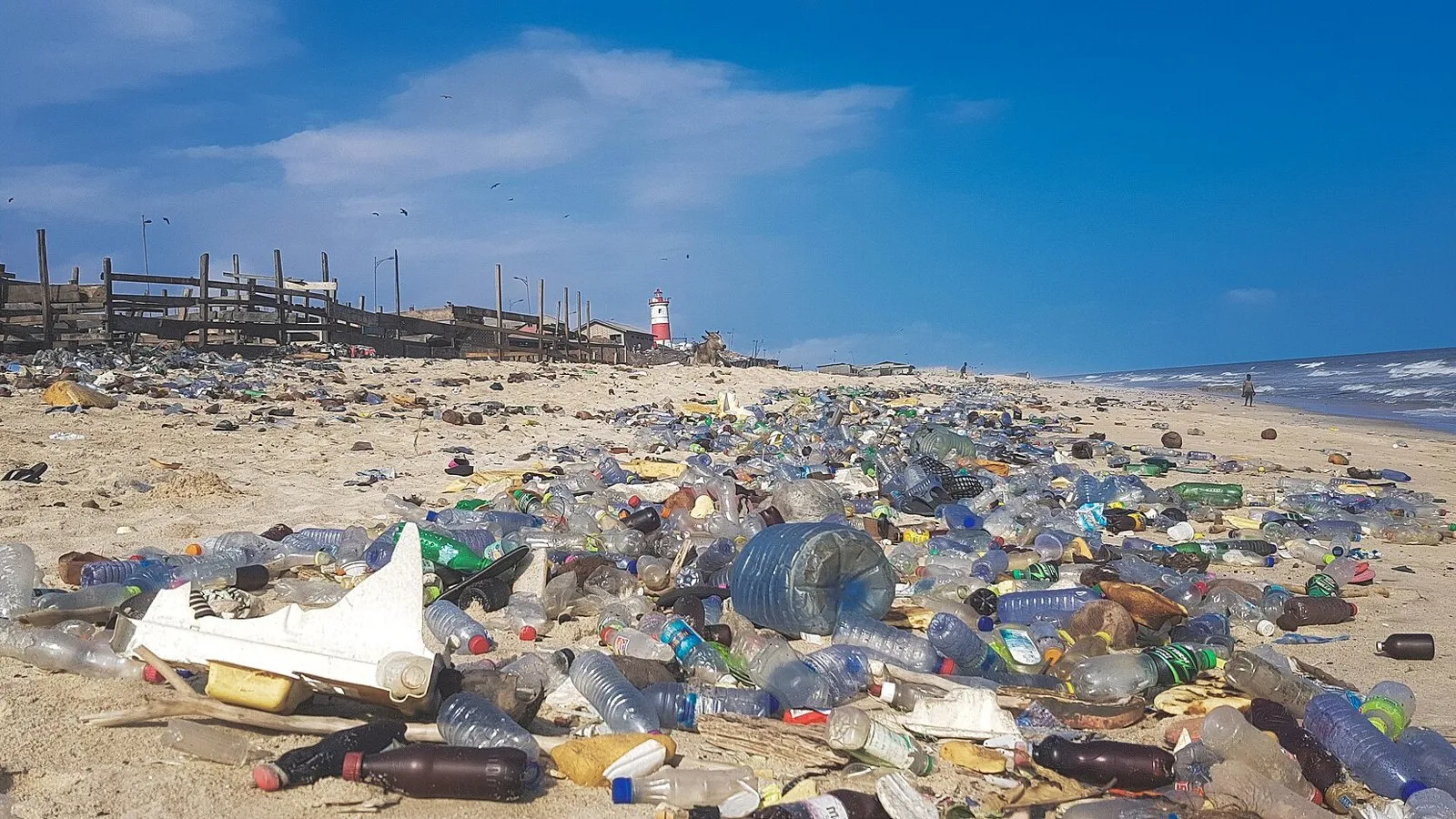
| Aquatic | Animals such as turtles, seabirds and fish eat plastic, which blocks their guts and can kill them; nets and rings trap and strangle animals; small pieces (microplastics) enter food chains; toxic chemicals may be released |
| Terrestrial | Plastics are not broken down by decomposers, so they build up in landfill and soil for hundreds of years; animals eat or become trapped in them; litter spoils habitats |
3Methane, carbon dioxide and climate change
| Gas | Sources |
|---|---|
| Carbon dioxide | Combustion of fossil fuels (power stations, vehicles, industry); deforestation (burning and less photosynthesis) |
| Methane | Digestion in cattle and other livestock; rice paddy fields; decomposition of waste in landfill sites |
Light from the Sun passes through the atmosphere and warms the Earth. The Earth radiates heat, and greenhouse gases such as carbon dioxide and methane trap some of it. Increasing the amounts of these gases traps more heat: the enhanced greenhouse effect. This raises average global temperatures and causes climate change: melting ice caps and rising sea levels, more extreme weather (droughts, floods, storms), changes in where species can live, and possible extinction.
See Topic 19 · Organisms and their environmentCombustion and the carbon cycle are covered in 19.3 Nutrient cycles.4Exam focus
Practice questions
Quick self-check
Answer in your head first, then reveal.
Nutrients cause algae to grow; decomposition uses up oxygen so fish die; sewage contains pathogens / causes disease.
Animals eat plastics, which block their guts; animals become entangled/trapped.
Methane from cattle/rice fields/landfill; carbon dioxide from burning fossil fuels/deforestation; trap heat: enhanced greenhouse effect; causing climate change.
More nitrate ions; more growth of algae/producers; producers die and are decomposed; decomposers increase aerobic respiration; dissolved oxygen falls so fish die.