Detailed · Deep study
1Biodiversity and why habitats are destroyed
Biodiversity Syllabus definition
the number of different species that live in an area
| Reason | Examples |
|---|---|
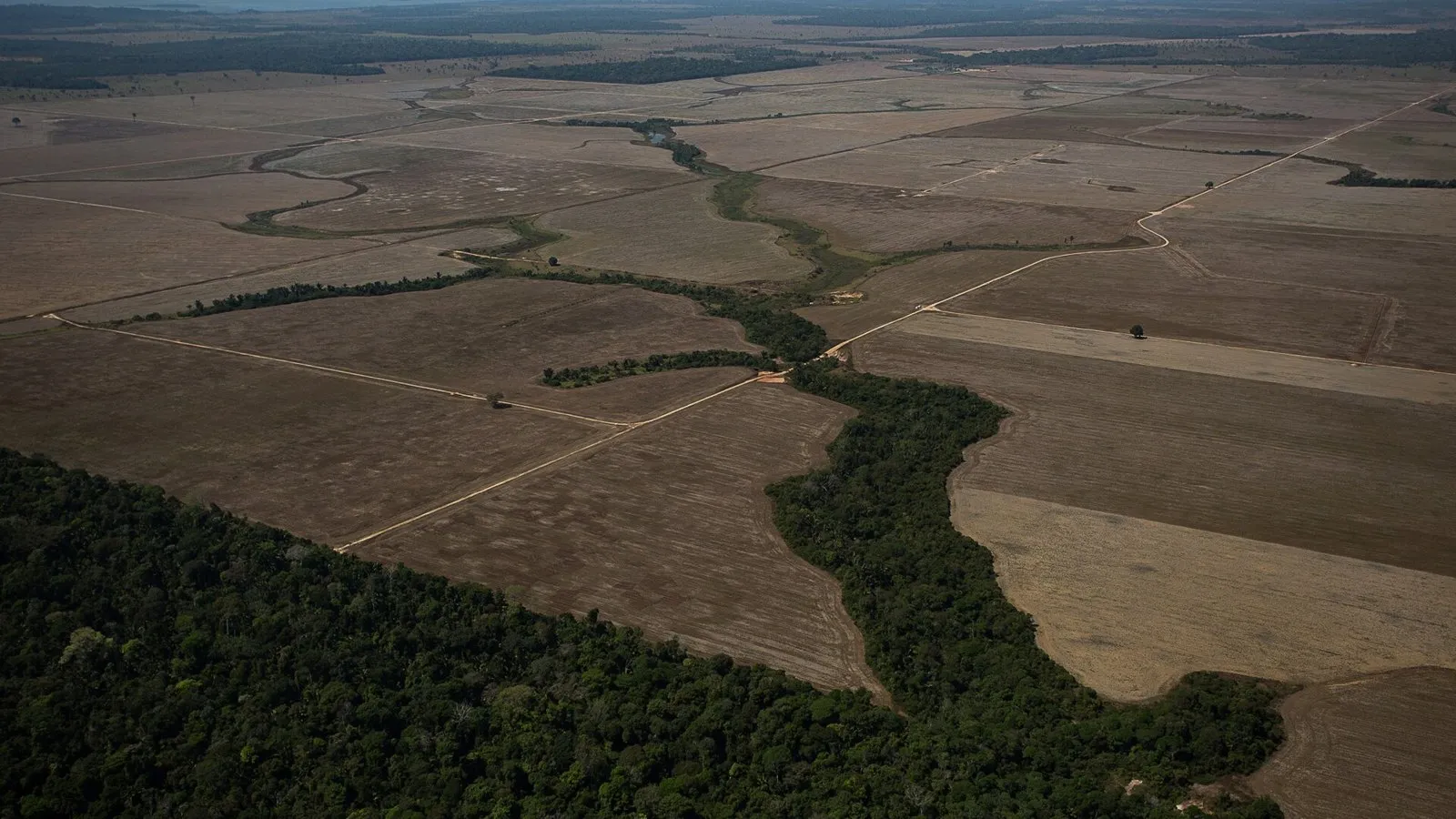
| Increased area for housing, crop plant production and livestock production | Clearing forests and draining wetlands for towns, farms and grazing |
| Extraction of natural resources | Mining, quarrying, logging, drilling for oil |
| Freshwater and marine pollution | Sewage, fertilisers, oil spills and plastics damage rivers, lakes and seas |
Through altering food webs and food chains, humans can have a negative impact on habitats: for example, removing a predator lets its prey increase and overgraze, and overfishing removes food for seabirds and seals.
See Topic 19 · Organisms and their environmentFood webs are covered in 19.2 Food chains and food webs.2Deforestation
| Undesirable effect | Explanation |
|---|---|
| Reducing biodiversity | Many species lose their habitat and food sources, so fewer species can live in the area |
| Extinction | Species found only in that forest may die out completely |
| Loss of soil | Without tree roots to hold it and leaves to break the force of rain, soil is washed or blown away (erosion); the remaining soil loses nutrients |
| Flooding | Trees no longer absorb rain and soil no longer holds water, so rain runs off quickly into rivers, which also fill with eroded soil and flood |
| Increase of carbon dioxide in the atmosphere | Fewer trees take in carbon dioxide for photosynthesis, and burning or decomposition of the cleared wood releases carbon dioxide |
3Exam focus
Practice questions
Quick self-check
Answer in your head first, then reveal.
The number of different species that live in an area.
Housing; crop or livestock production; extraction of natural resources; pollution (any three).
Fewer trees to absorb carbon dioxide for photosynthesis; burning/decomposition of trees releases carbon dioxide.
Habitats and food sources are destroyed; species living only there cannot survive / die out.