Detailed · Deep study
1What genetic modification is
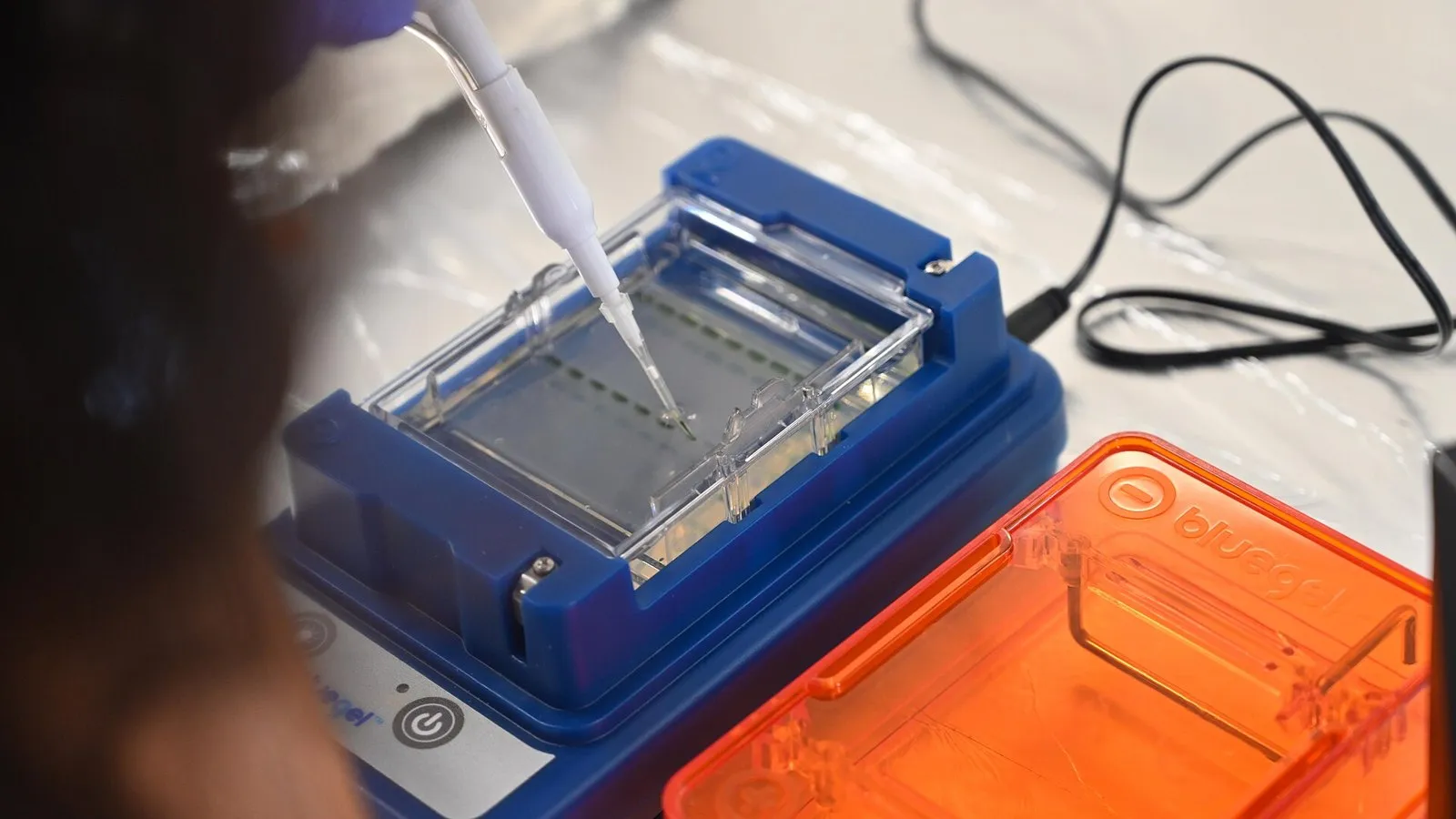
changing the genetic material of an organism by removing, changing or inserting individual genes
| Example | Benefit |
|---|---|
| Human genes inserted into bacteria to produce human proteins | Large amounts of human insulin (for diabetes) or human growth hormone can be made cheaply |
| Genes inserted into crop plants for resistance to herbicides | Fields can be sprayed with herbicide to kill weeds without harming the crop, so yields increase |
| Genes inserted into crop plants for resistance to insect pests | The crop makes a toxin that kills insects feeding on it, so less insecticide is needed and yields increase |
| Genes inserted into crop plants to improve nutritional qualities | e.g. 'golden rice' makes beta-carotene, which the body converts to vitamin A, preventing deficiency |
2Making a human protein in bacteria (Supplement)
- Isolation of the DNA making up the human gene (e.g. for insulin) using restriction enzymes, which cut the DNA leaving short single-stranded sticky ends.
- Cutting of bacterial plasmid DNA with the same restriction enzymes, forming complementary sticky ends.
- Insertion of the human DNA into the plasmid using DNA ligase, which joins the sticky ends, forming a recombinant plasmid.
- Insertion of the recombinant plasmids into bacteria.
- Multiplication of the bacteria containing recombinant plasmids, e.g. in a fermenter.
- Expression of the human gene in the bacteria, which make the human protein; it is then extracted and purified.
3GM crops: advantages and disadvantages (Supplement)
| Advantages | Disadvantages |
|---|---|
| Higher yields, e.g. herbicide-resistant soya allows effective weed control; insect-resistant maize suffers less pest damage | Seeds can be expensive, and farmers may have to buy new seed each year, which is hard for poorer farmers |
| Less insecticide needed with insect-resistant crops, so less harm to other insects and lower costs | Inserted genes may spread to wild relatives by pollen, e.g. producing herbicide-resistant weeds |
| Improved nutrition, e.g. vitamin A rice in countries where rice is the main food | Herbicide-resistant crops may lead to heavier herbicide use, killing wild plants and reducing biodiversity |
| Crops can be made to grow in poor conditions such as drought | Insect toxins may harm insects that are not pests, such as pollinators; pests may evolve resistance |
| Concerns about safety for human health and long-term effects, and public distrust |
4Exam focus
Practice questions
Quick self-check
Answer in your head first, then reveal.
Changing the genetic material of an organism; by removing, changing or inserting individual genes.
e.g. genes for herbicide resistance; genes for insect resistance; genes to improve nutritional quality.
Human insulin gene cut out with a restriction enzyme, forming sticky ends; plasmid cut with the same enzyme, forming complementary sticky ends; gene joined into plasmid with DNA ligase (recombinant plasmid); plasmid inserted into bacteria; bacteria multiply; bacteria express the gene and make insulin.
Advantage: weeds can be killed without harming the crop, so higher yield; disadvantage: gene may spread to wild plants / more herbicide used, reducing biodiversity.