Detailed · Deep study
1What a drug is
any substance taken into the body that modifies or affects chemical reactions in the body
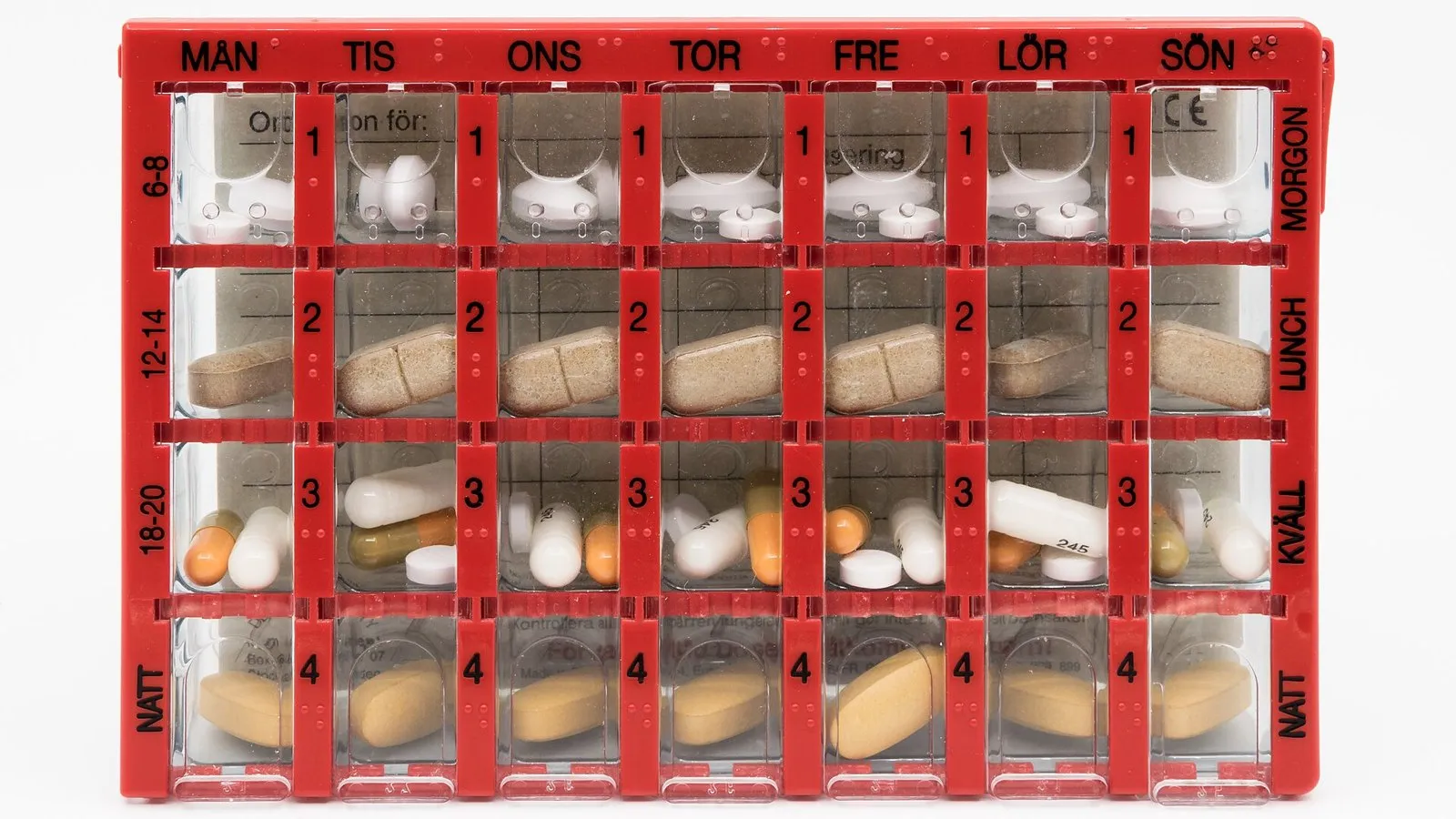
Some drugs are medicinal, used to treat or prevent illness, such as antibiotics and painkillers. Others are taken for recreational reasons, such as caffeine, alcohol and nicotine.
2Antibiotics
Antibiotics are used to treat bacterial infections. They kill bacteria or stop them reproducing, while not harming human cells. Penicillin, made by a fungus, was the first antibiotic to be widely used.
Antibiotics kill bacteria but do not affect viruses. Viruses are not cells: they have no cell wall or metabolic reactions of their own for antibiotics to act on, and they reproduce inside the host's cells. Viral infections such as colds and influenza cannot be treated with antibiotics.
See Topic 10 · Disease and ImmunityPathogens and the body's defences are covered in Topic 10 Diseases and immunity.3Antibiotic resistance
Some bacteria are resistant to antibiotics, which reduces the effectiveness of antibiotics. Resistance arises by a random mutation. When an antibiotic is used, non-resistant bacteria are killed, but resistant ones survive, reproduce and pass on their resistance, so the proportion of resistant bacteria increases.
See Topic 18 · Variation and SelectionNatural selection is covered in Topic 18 Variation and selection.4Exam focus
Practice questions
Quick self-check
Answer in your head first, then reveal.
Any substance taken into the body; that modifies or affects chemical reactions in the body.
To treat bacterial infections.
Influenza is caused by a virus; antibiotics do not affect viruses.
Resistant bacteria survive when antibiotics are used; and reproduce, so the proportion of resistant bacteria increases; fewer uses means fewer opportunities for resistant bacteria to be selected.