Detailed · Deep study
1How an automated system works
automated system
A system in which sensors, microprocessors and actuators work together to perform a task automatically, without human intervention.
- Sensors continuously measure physical quantities, e.g. temperature and soil moisture.
- The analogue readings are converted to digital by an ADC and sent to the microprocessor.
- The microprocessor compares each reading with a stored value or range.
- If a reading is outside the range, the microprocessor sends a signal to an actuator, e.g. to switch on a heater or open a window; otherwise no action is taken.
- The process repeats continuously, so the conditions are kept constant (feedback).
2Automated systems in different scenarios
| Scenario | Sensors → microprocessor → actuators | Advantages | Disadvantages |
|---|---|---|---|
| industry (e.g. a bottling plant) | level/proximity sensors detect a bottle and its fill level; the microprocessor stops the conveyor and opens a valve | works 24/7; consistent quality; safer for workers; lower labour costs | expensive to install and maintain; job losses; a fault can stop the line |
| transport (e.g. self-driving car, automatic train) | cameras, radar, lidar and proximity sensors detect obstacles; the microprocessor controls steering, brakes and motor actuators | reduces human error; smoother driving saves fuel; trains run on time | expensive; hacking risk; sensors may fail in bad weather; public distrust |
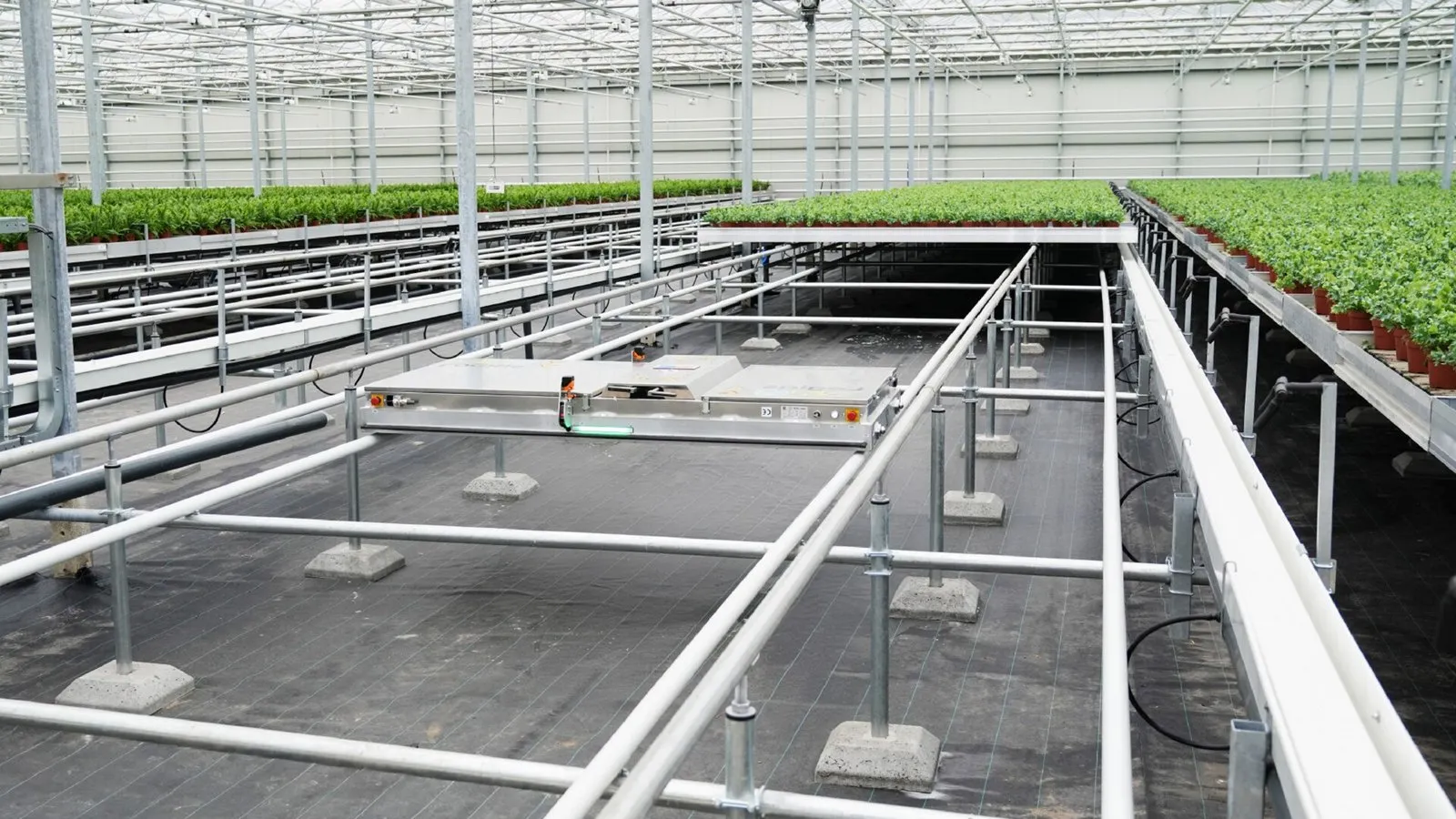
| agriculture (e.g. irrigation) | moisture and temperature sensors; the microprocessor switches pumps/sprinklers on and off | uses water efficiently; less labour; crops grow better | high set-up cost; needs power and maintenance; sensor failure could ruin crops |
| weather (e.g. weather station) | temperature, humidity, pressure, light, wind and rain sensors; the data is logged and transmitted | readings day and night in remote places; accurate and continuous | equipment can be damaged by extreme weather; costly to maintain remotely |
| gaming (e.g. VR headset, motion controller) | accelerometers, gyroscopes and cameras track movement; the microprocessor updates the game and vibrates controllers (actuators) | realistic, immersive experience | expensive equipment; motion sickness; health risks of long use |
| lighting (e.g. smart street or home lights) | light and motion (infra-red) sensors; the microprocessor switches lights on/off or dims them | saves energy; improves safety; no need to switch manually | set-up cost; faulty sensors may leave areas dark |
| science (e.g. a laboratory experiment) | sensors such as pH, temperature and light take readings at set intervals; the microprocessor may add reagents or control heating | readings at precise intervals, for long periods; safer with dangerous chemicals; fewer human errors | expensive; an unexpected result may not be noticed without a scientist |
3Exam focus
Key words: automated system; sensor; microprocessor; actuator; ADC; stored value; feedback.
Quick self-check
Answer in your head first, then reveal.
Moisture sensor takes readings (1); sent to microprocessor (via ADC) (1); compared with stored value (1); if below, actuator switches pump/sprinkler on (1); repeats continuously (1).
Any two: can work 24/7; consistent quality; safer; reduced labour costs (2).
Expensive / could be hacked / sensors may fail (1).