Detailed · Deep study
1Digital currency
A currency that only exists electronically; it has no physical coins or notes.
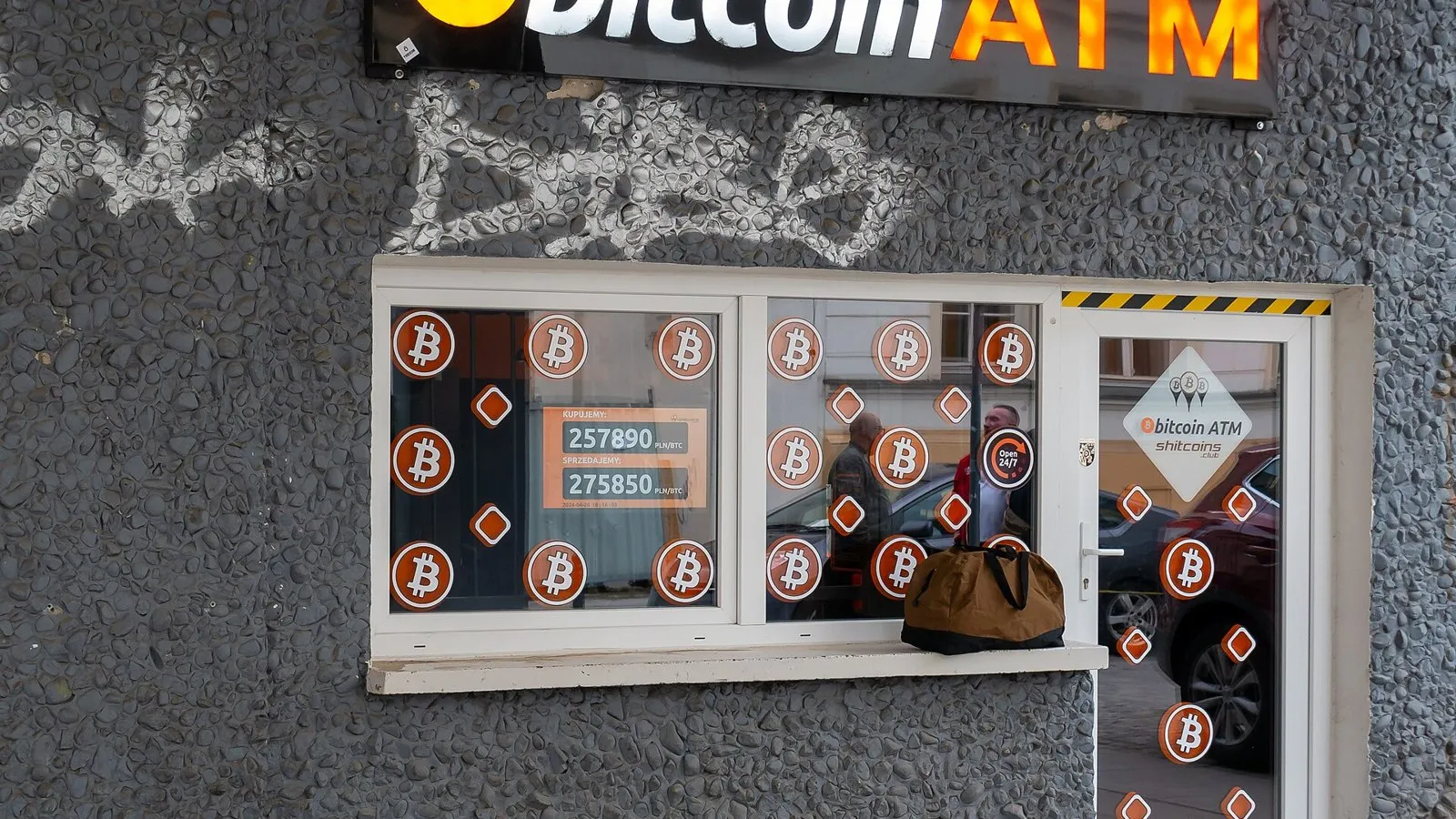
Digital currencies are used like money to pay for goods and services, or to transfer money between people, using a digital wallet on a phone or computer. Many cryptocurrencies are decentralised: there is no central bank controlling them, and transactions are recorded using a blockchain.
| Advantages | Disadvantages |
|---|---|
| fast transfers, including across borders | value can change rapidly (volatile) |
| no bank needed for transactions; low fees | if a digital wallet password is lost, the money may be lost |
| transactions are secure and traceable on the blockchain | can be used anonymously for crime; not accepted everywhere |
2Blockchain
A digital ledger: a time-stamped series of records that cannot be altered.
- When a new transaction is made, a new block is created holding the transaction data and a time-stamp.
- The block is given a hash – a unique value calculated from its contents – and it also stores the hash of the previous block.
- The new block is checked (by many computers on the network) and added to the end of the chain; every computer updates its copy.
- If anyone changes the data in a block, its hash changes, so the next block's "previous hash" no longer matches – the chain is broken and the tampering is detected.
Because the ledger is shared by many computers and cannot be altered, it gives a permanent, trustworthy record of every transaction, so a digital currency can be tracked without a bank.
3Exam focus
Key words: digital currency; cryptocurrency; decentralised; blockchain; ledger; block; time-stamp; hash.
Quick self-check
Answer in your head first, then reveal.
A currency that only exists electronically (1).
Each block stores the hash of the previous block (1); changing data changes the hash (1); so the chain no longer matches and the change is detected (1); copies held on many computers (1).